
 By Sharon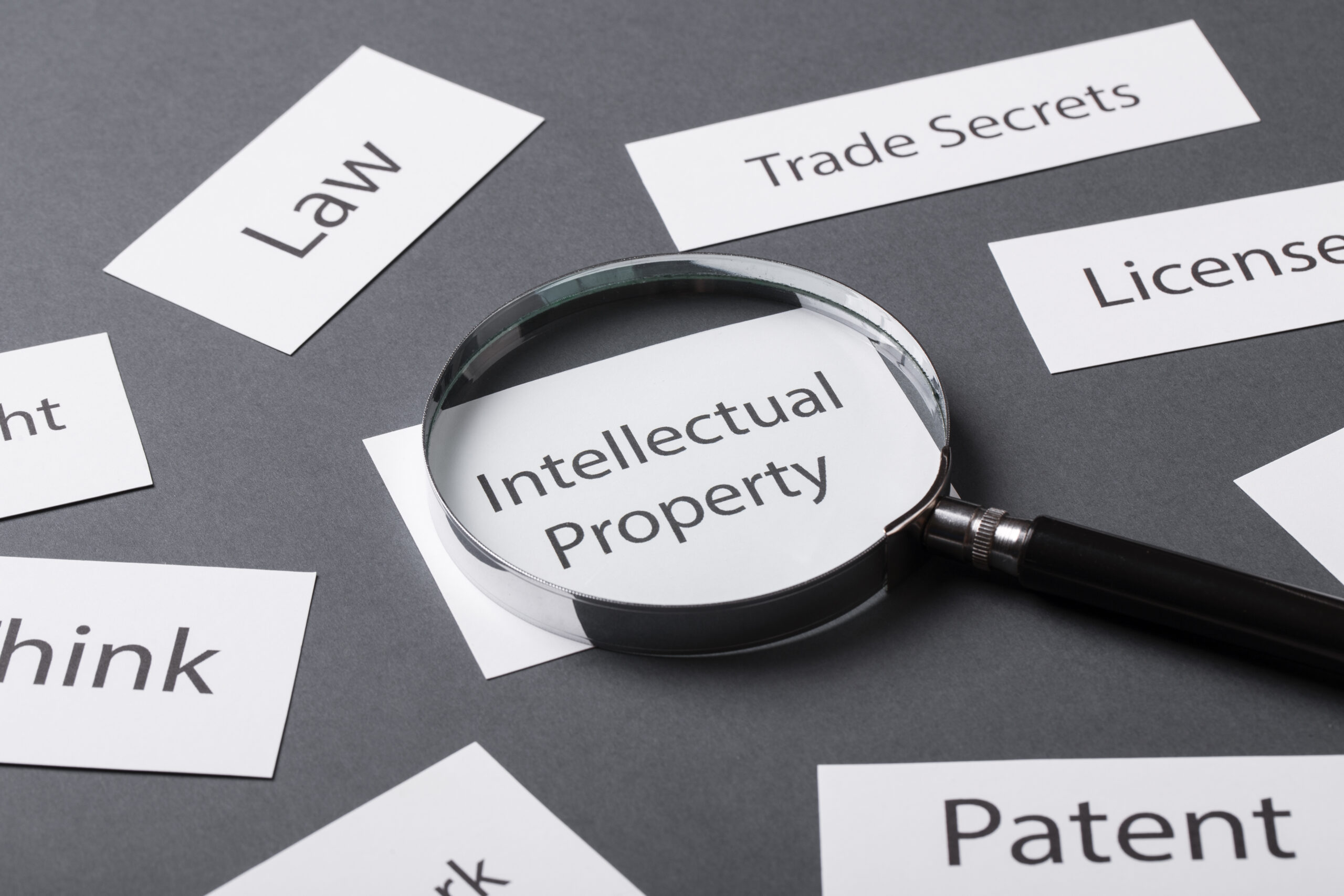
The acronym INS might seem simple at first glance, but it carries significant weight across various fields. From technology to law and science, this three-letter term encapsulates a world of meaning that can influence how we operate in these domains. As our society rapidly evolves, understanding the multifaceted nature of INS becomes increasingly crucial. Whether you’re a tech enthusiast navigating innovations or a legal professional interpreting complex regulations, grasping the essence of INS will enhance your comprehension and engagement with these disciplines. Let’s dive into what INS truly represents in each context and explore its implications for our modern world.
INS in Technology: Definition and Examples
INS, or Intelligent Network Services, plays a crucial role in modern technology. This concept revolves around the ability to manage and route network traffic intelligently, optimizing performance for various services.
For instance, telecom companies utilize INS to enhance call routing. By analyzing user data in real-time, they can determine the best paths for calls based on factors like network congestion and service quality.
In software development, INS features prominently in application design. Developers use intelligent algorithms to personalize user experiences by adapting content delivery according to individual preferences.
Moreover, cloud computing harnesses INS principles through automated resource management. Systems dynamically allocate resources based on demand, ensuring efficiency and minimizing downtime.
These examples illustrate how INS transforms our interaction with technology daily. As networks evolve, so will the capabilities of Intelligent Network Services across industries.
INS in Law: Interpretation and Significance
INS in the legal realm often stands for “Intellectual Property Rights and Non-Disclosure Agreements.” These concepts play a pivotal role in protecting creative works and confidential information.
Understanding INS is essential for businesses looking to safeguard their innovations. Intellectual property rights ensure that creators receive recognition and compensation for their inventions, while non-disclosure agreements help maintain competitive advantage by restricting information sharing.
The interpretation of these terms can vary across jurisdictions, leading to different legal implications. Courts may assess factors such as originality or commercial value when determining the strength of intellectual property claims. Contract enforcement around non-disclosure agreements also hinges on precise language and mutual consent.
As technology evolves, so does the significance of INS in law. New challenges arise regarding digital assets and data privacy, making it crucial for stakeholders to stay informed about emerging trends within this area.
INS in Science: Theoretical Foundations and Applications
INS in science often refers to Information Network Systems, which are crucial in data analysis and management. These systems provide a framework for organizing vast amounts of information, enabling researchers to draw meaningful conclusions.
The theoretical foundations behind INS involve complex algorithms and models that enhance the processing capabilities of scientific data. Researchers utilize these systems to simulate experiments or predict outcomes based on existing datasets.
Applications of INS span various fields, from environmental science to bioinformatics. They help scientists track ecological changes over time or analyze genetic sequences effectively.
As technology advances, the integration of artificial intelligence with INS continues to revolutionize research methodologies, making them more efficient and accurate. This evolution opens new doors for innovation across disciplines, fostering groundbreaking discoveries that could reshape our understanding of the natural world.
Comparing the Different Meanings of INS
The term INS carries diverse meanings across various fields, each with its distinct implications. In technology, it often refers to “Information Network Services,” which facilitate data sharing and communication. This definition emphasizes connectivity and efficiency in the digital realm.
Meanwhile, within legal contexts, INS might stand for “Immigration and Naturalization Service.” Here, it highlights the government’s role in managing immigration processes and citizenship applications. The focus shifts from technology to governance.
In scientific discussions, INS frequently denotes “Insulin,” a crucial hormone for regulating blood sugar levels. This interpretation underlines biological significance rather than technological or legal concerns.
Each meaning of INS serves a specific purpose depending on context. Understanding these nuances is essential to grasping how language shapes perception across different domains.
Controversies Surrounding the Use of INS
The term INS often sparks debates across various sectors. In technology, concerns arise about privacy and security, especially with systems that utilize Intelligent Network Services. Users worry about data misuse and unauthorized surveillance.
In the legal realm, the interpretation of INS can lead to differing opinions on liability. Courts may struggle with how to apply existing laws to new technologies incorporating INS principles. This ambiguity can create significant challenges for legal practitioners.
Within scientific circles, disagreements exist around the theoretical frameworks underpinning INS applications. Some researchers question whether current models truly reflect complex behaviors in real-world scenarios.
These controversies highlight a critical need for ongoing dialogue among stakeholders. The evolving nature of INS demands that we carefully consider its implications before widespread adoption occurs.
Conclusion:
The concept of INS is multifaceted, spanning various fields such as technology, law, and science. Each discipline offers a unique perspective on its meaning and application. In technology, INS often refers to intelligent navigation systems that enhance user experience through advanced algorithms. In legal contexts, it pertains to intrinsic network structures that play vital roles in data governance and regulatory compliance.
Science takes this abbreviation even further by exploring theoretical frameworks that underpin multiple disciplines—from neuroscience to information networks. This diversity leads us to appreciate how the same acronym can represent different yet interconnected ideas.
Controversies surrounding the use of INS are not uncommon either. Debates about privacy concerns in tech applications or ethical implications in scientific research highlight the evolving dialogue within society about these interpretations.
As we continue navigating through advancements and challenges associated with INS across sectors, it’s clear that its influence will only grow stronger. The way we understand and implement INS will shape our future interactions—both digital and personal—and redefine boundaries within each field it touches. Embracing this evolution allows for fostered innovation while remaining critical of potential pitfalls along the journey.